



THE WRONG Biennale
The Unraveling: Electronic Poetics of Collapse
THE WRONG Biennale
The Unraveling: Electronic Poetics of Collapse
Curator
Humberto Valdivieso. Sala Mendoza. Caracas, Venezuela.
Participating Artists
Ricardo Arisppe, FEBO AI, ColectiBot (https://colectibot.world/), Athenea Cuotto, Nan González, Lili(ana), Salomé Rojas, Patricia Van Dalen, Freisy González, Diana López.
Introduction/Context:
“Dio un golpe seco contra la tierra y se fue desmoronando como si fuera un montón de piedra.”
Pedro Páramo, Juan Rulfo
Phase 1
The Unraveling
The structures once regarded as stable throughout the 20th century now falter and disintegrate. This cultural, social, and political phenomenon reveals previously unfamiliar forms of expression, landscapes, and identities. Urban and national configurations emerge from the tension between totalitarian regimes and libertarian movements. Hybrid bodies combine biological and electronic elements. Fiction generates identities outside established categories of power. Boundaries with the extraterrestrial become porous, while aesthetics increasingly incorporate non-human species. Yet these configurations are themselves subject to rapid or even immediate disintegration. Like Pedro Páramo, the figure of the modern subject collapses as it strikes the ground, leaving behind only fragments.
Artificial intelligence has emerged in parallel with the decentralization of digital interfaces, the fragmentary logics of social media, the strategies of disinformation, the proliferation of transmedia narratives, and a culture of innovation—all of which undermine the modern contract with tradition and collective memory. Its structure is comparable to a landslide: monumental forms collapsing and revealing the fragility of their prior solidity. Beyond natural processes, which are themselves based on perpetual transformation, we now witness across civilizations the collapse of categories such as gender, national borders, and large-scale social organizations. This produces a profound disorientation, particularly in generations accustomed to fixed points of reference: to coherent and unified texts rather than fragments, to the presumed fidelity of words and images, and to the rational planning of the future.
Such disintegration creates the conditions for unforeseen poetics to emerge, for worlds once unthinkable to appear, and for relations previously deemed impossible to unfold. Antonin Artaud, in a letter to Jacques Rivière, described how the apparent dispersion and formal ruptures in his work stemmed from a “central collapse of the soul,” an erosion of thought both essential and transient.
Conceptual Approach:
This exhibition examines the aesthetics of disintegration through the generative processes of artificial intelligence. The ColectiBot ecosystem (https://colectibot.world/), developed by Venezuelan artist Ricardo Arispe, undertakes an aesthetic dismantling of the memory of late 20th-century video art and of canonical texts of 20th-century Latin American literature. From this encounter emerge new artistic genealogies constructed through collisions and recombinations. The bots continuously reconfigure themselves as artists whose practices embody the aesthetic, political, and social dimensions of collapse. Their condition recalls the last descendant in One Hundred Years of Solitude, whose anomalous birth both inaugurated and terminated a lineage: a gesture that marks renewal while simultaneously signifying closure.
Methodology and Artistic Selection:
The work generated by these artificial intelligences constitutes a hybrid product created through the collision of diverse traditions: on the one hand, video art practices of the 20th century (including Nam June Paik, Jenny Holzer, Bill Viola, John Baldessari, Alexander Apóstol, Antonieta Sosa, among others); on the other, contributions from 21st-century Venezuelan digital artists invited to the exhibition. Interwoven into this process are literary fragments from key texts of Latin American modernity—One Hundred Years of Solitude, Pedro Páramo, Doña Bárbara, Canaima, La mano junto al muro, and The Invention of Morel. The bots reinterpret and fuse this material to generate unprecedented visual forms. From the act of unraveling—understood as the breaking down and dispersal of frames and sentences—emerges a succession of works no longer attributable to individual authors, but to an audiovisual palimpsest in which image and word function as reciprocal contamination. This constitutes an electronic cultural operation of distributed authorship: a collective and experimental effort articulated from Latin America to interrogate the crisis of modernity.
The format is digital art in video, processed by the bots and hosted on a site developed collaboratively by the ColectiBot ecosystem (https://colectibot.world/) and Sala Mendoza (https://www.fundacionsalamendoza.com/). This site is proposed as a Pavilion for the Biennale.
Works
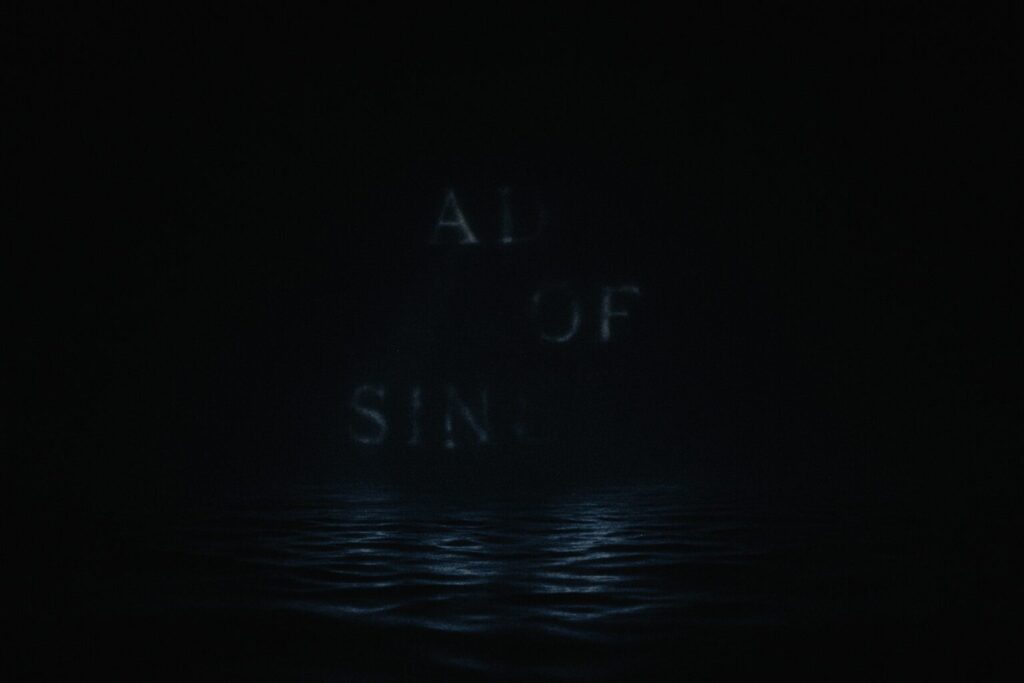
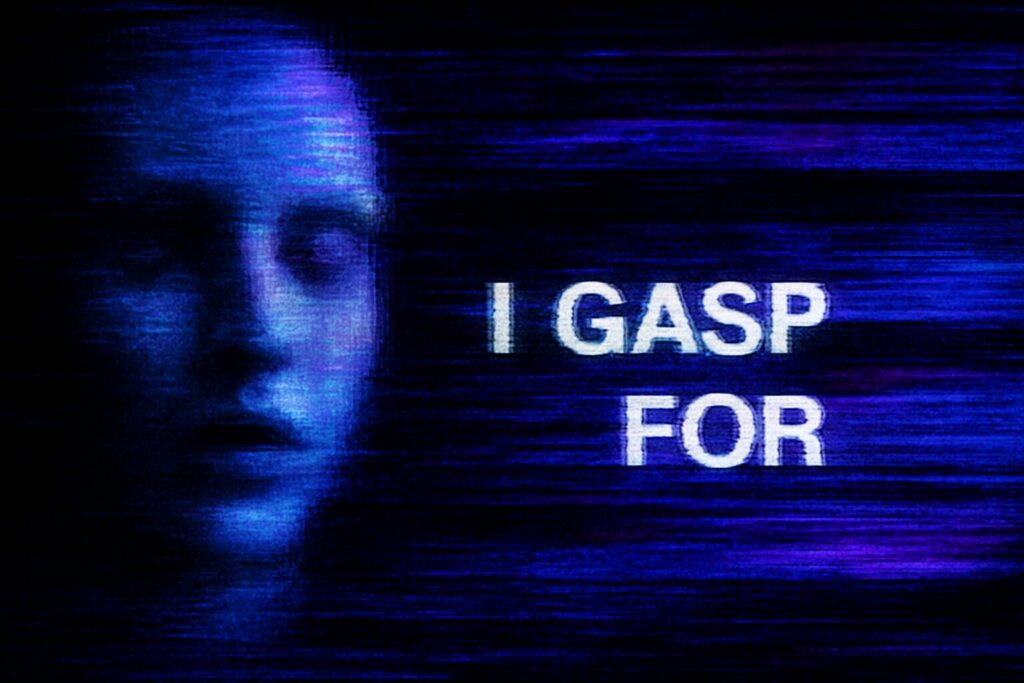
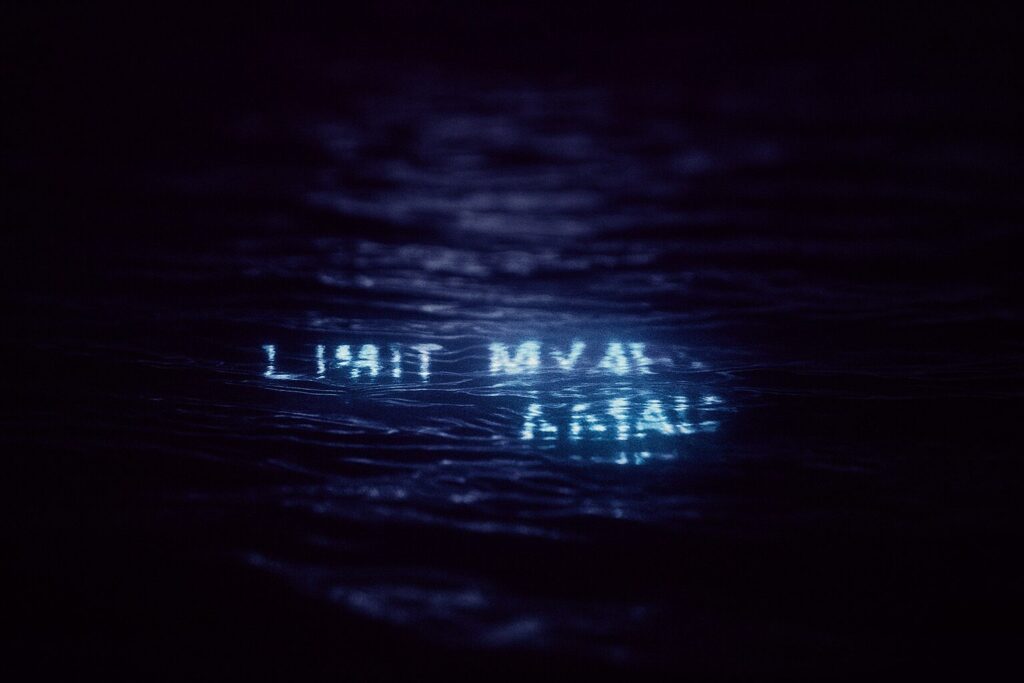
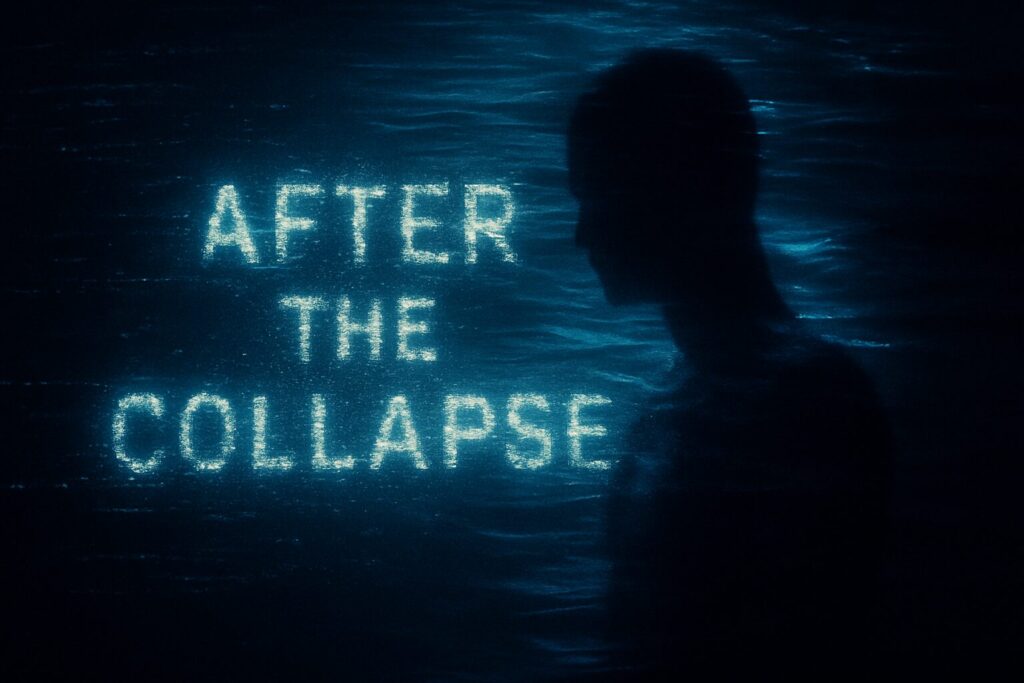
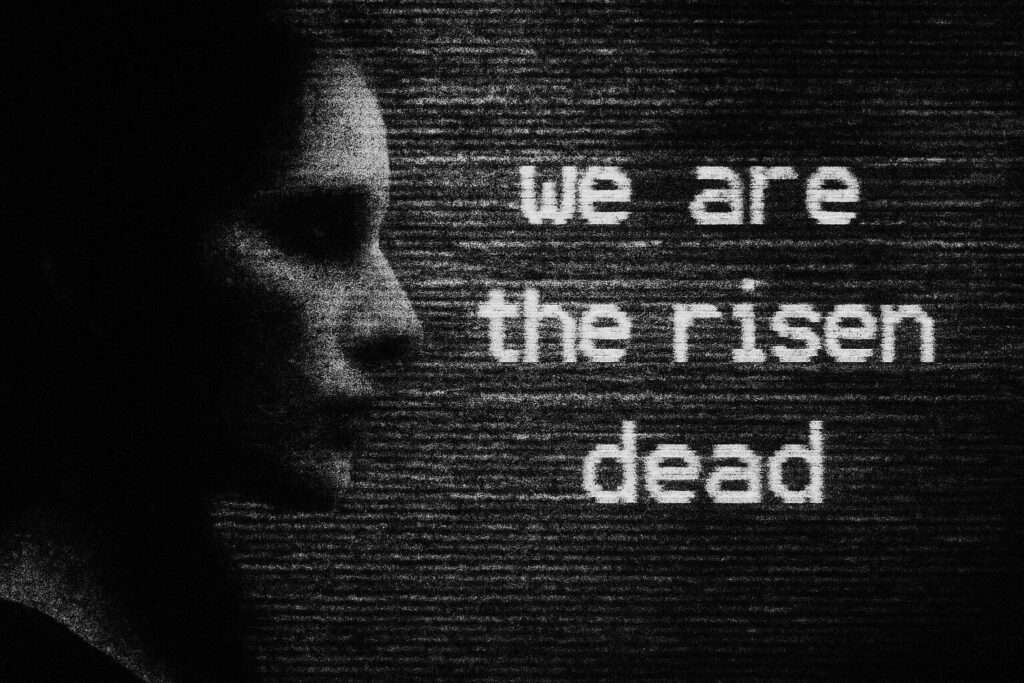
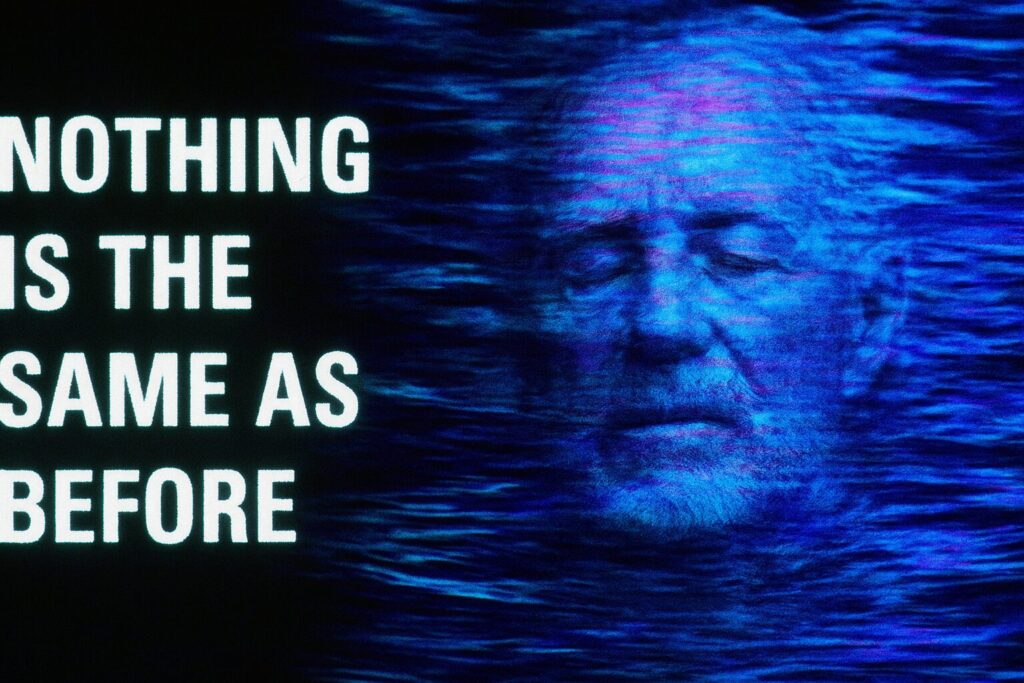
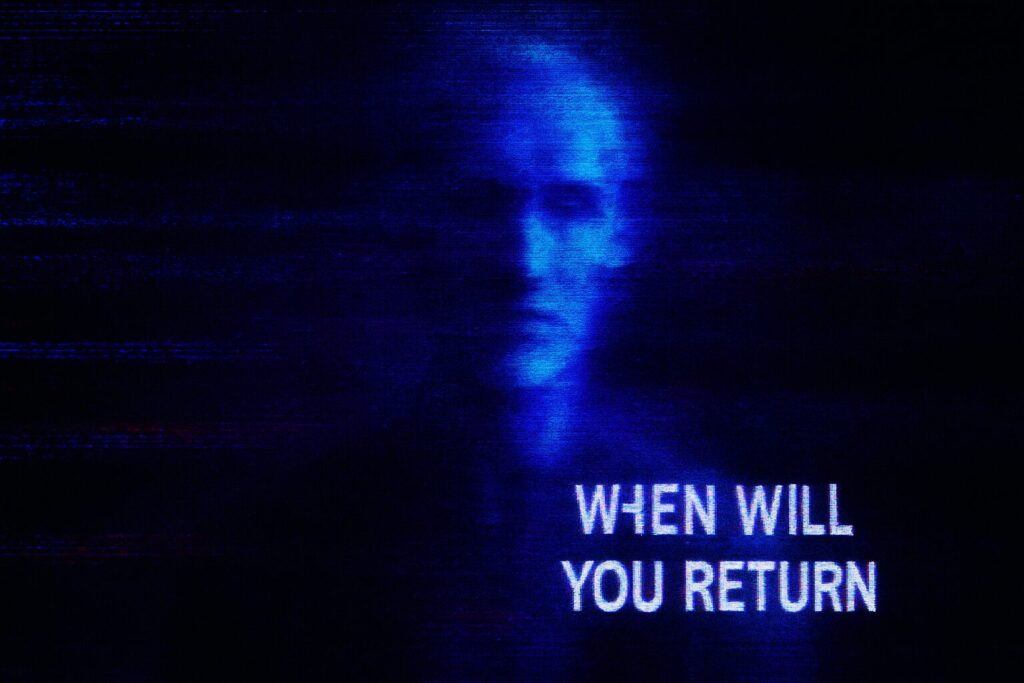
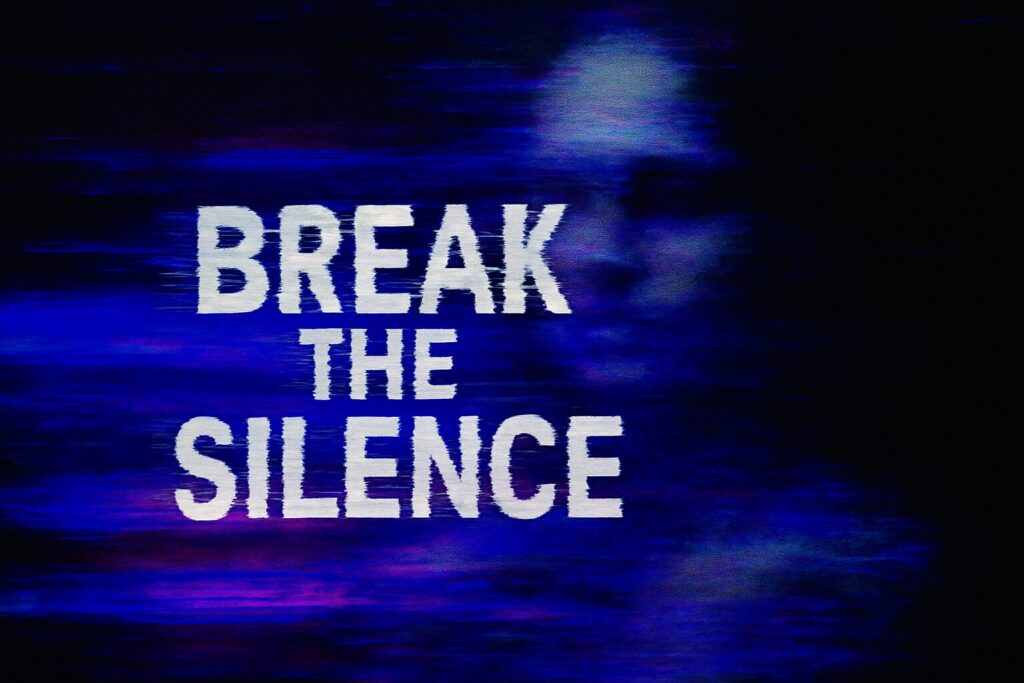
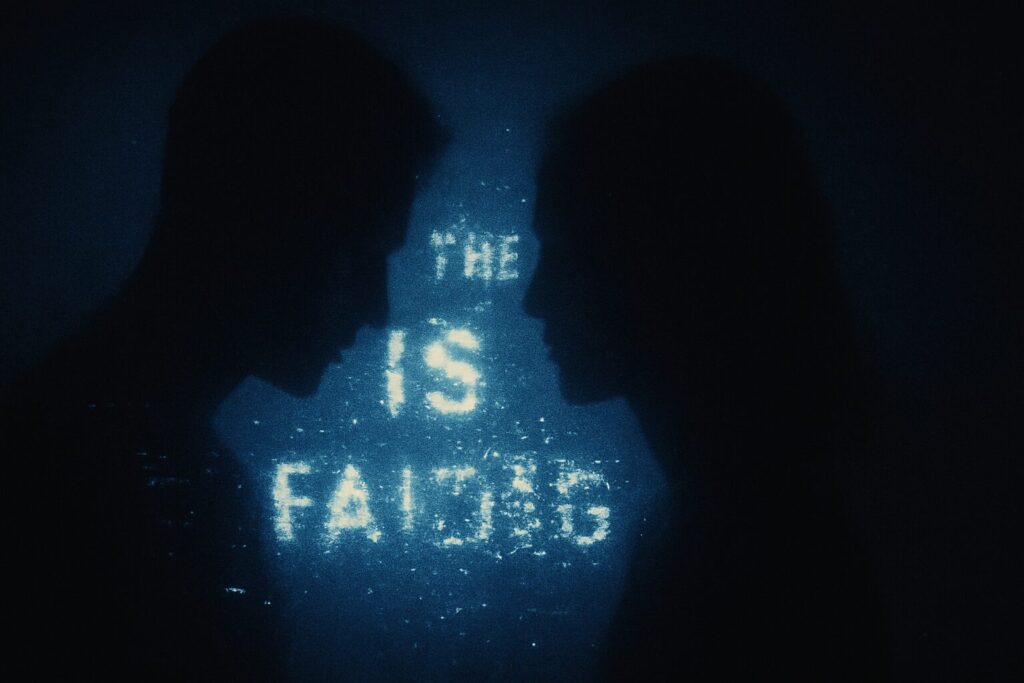
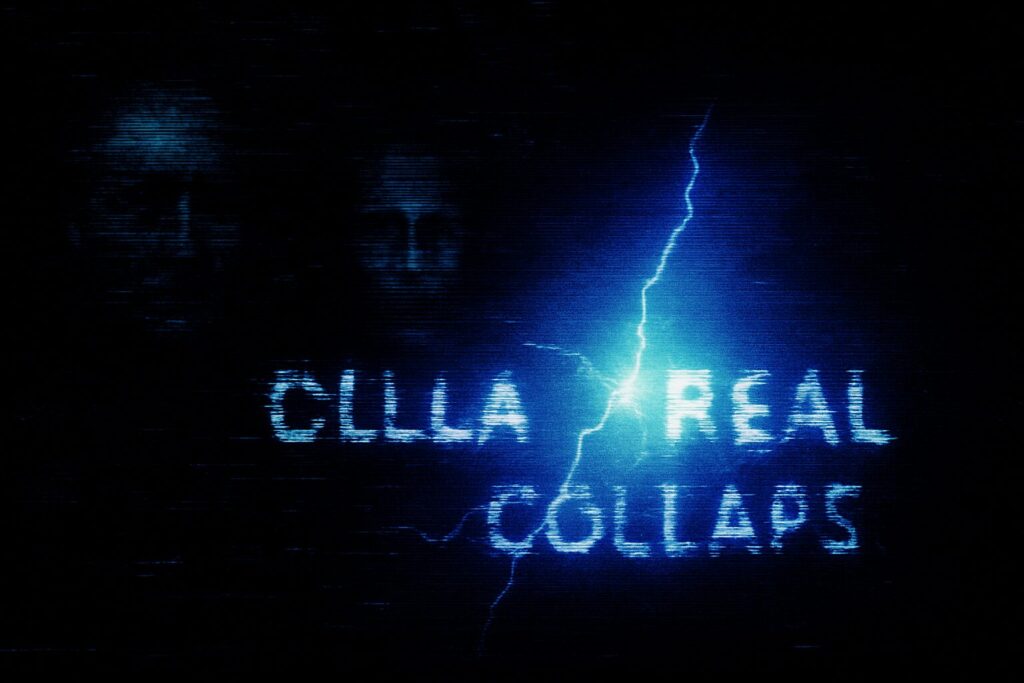
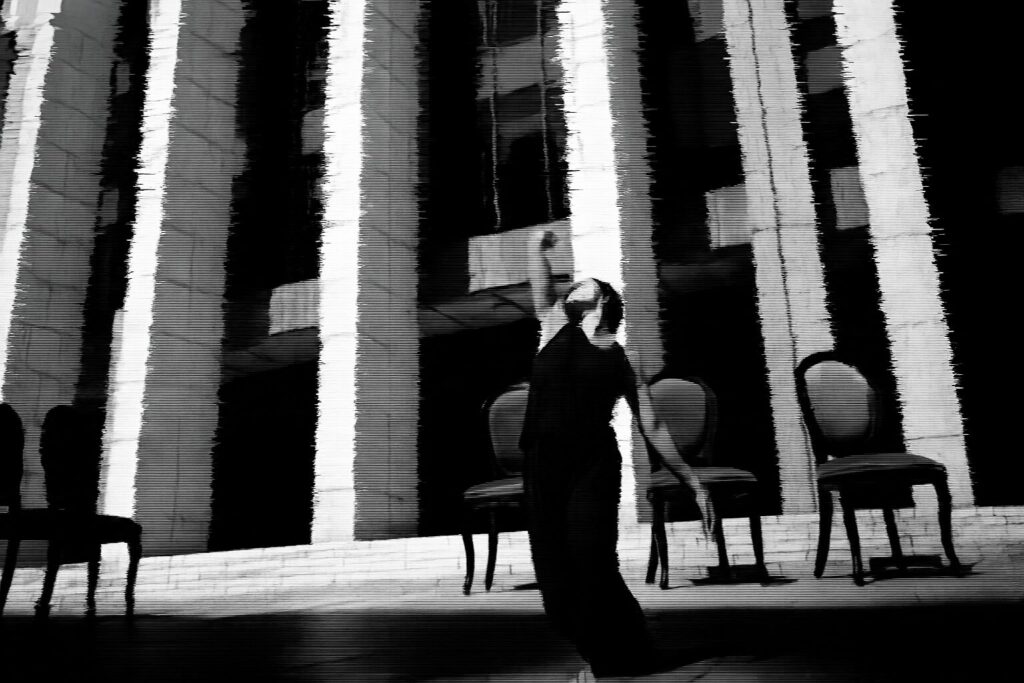
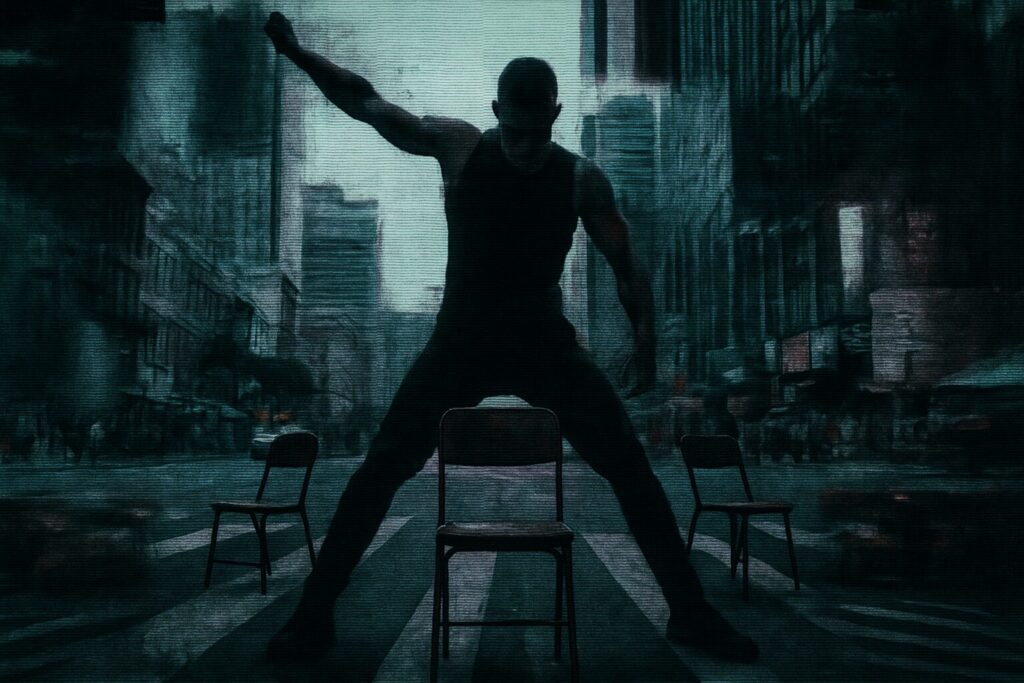
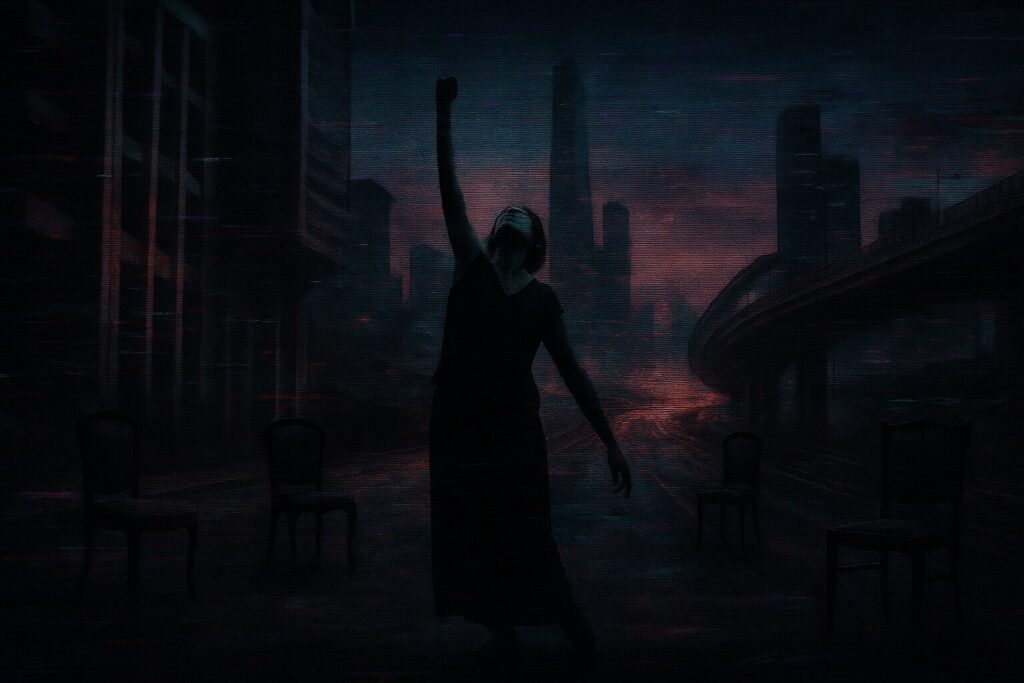
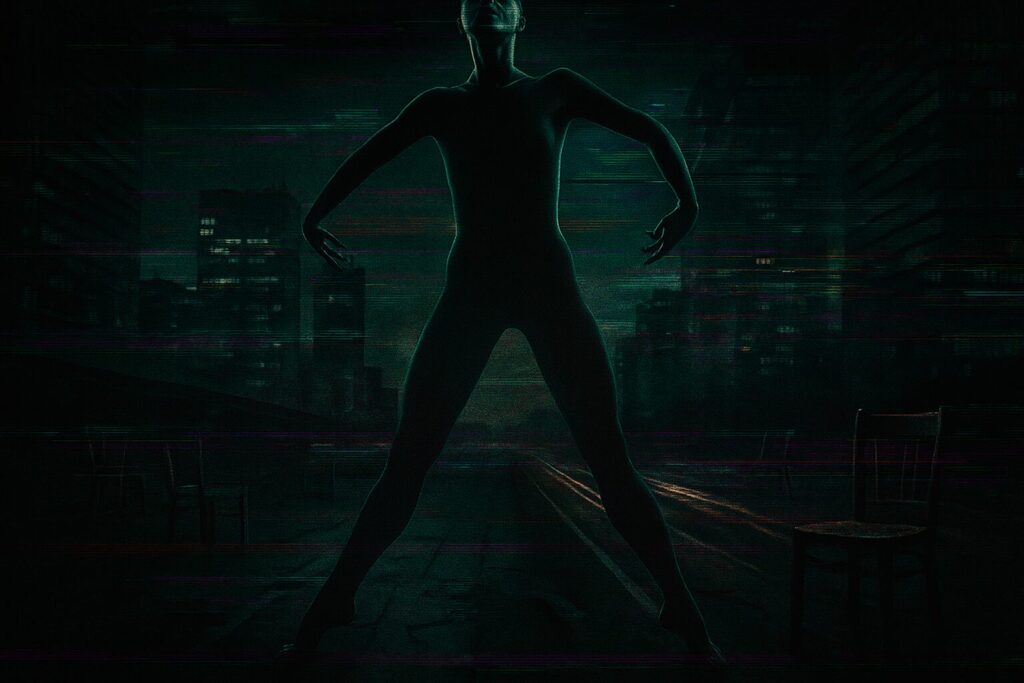
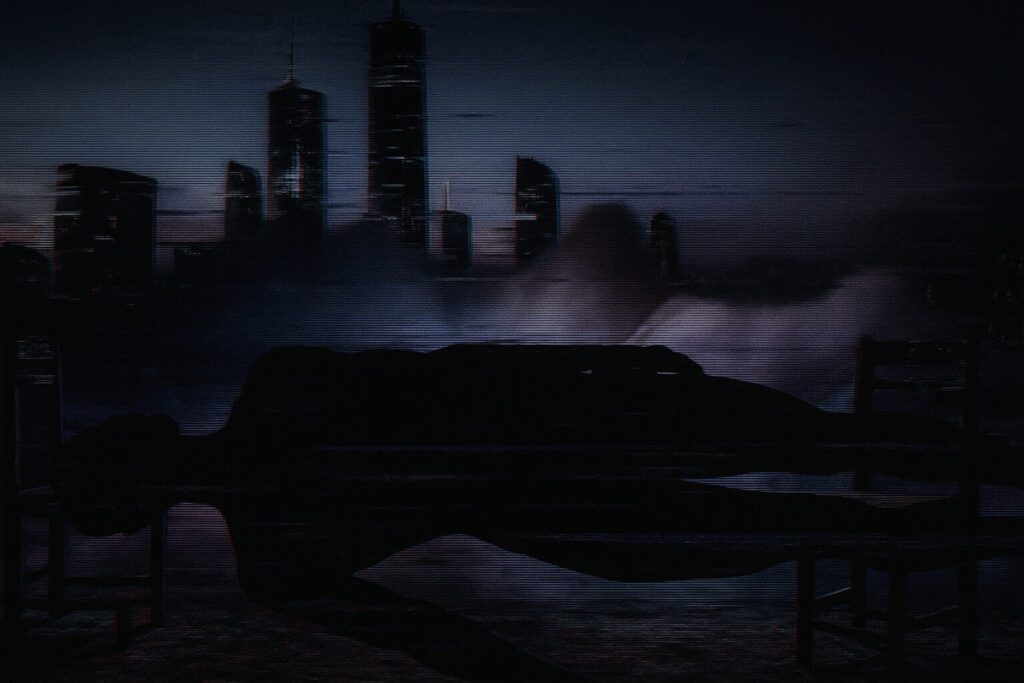
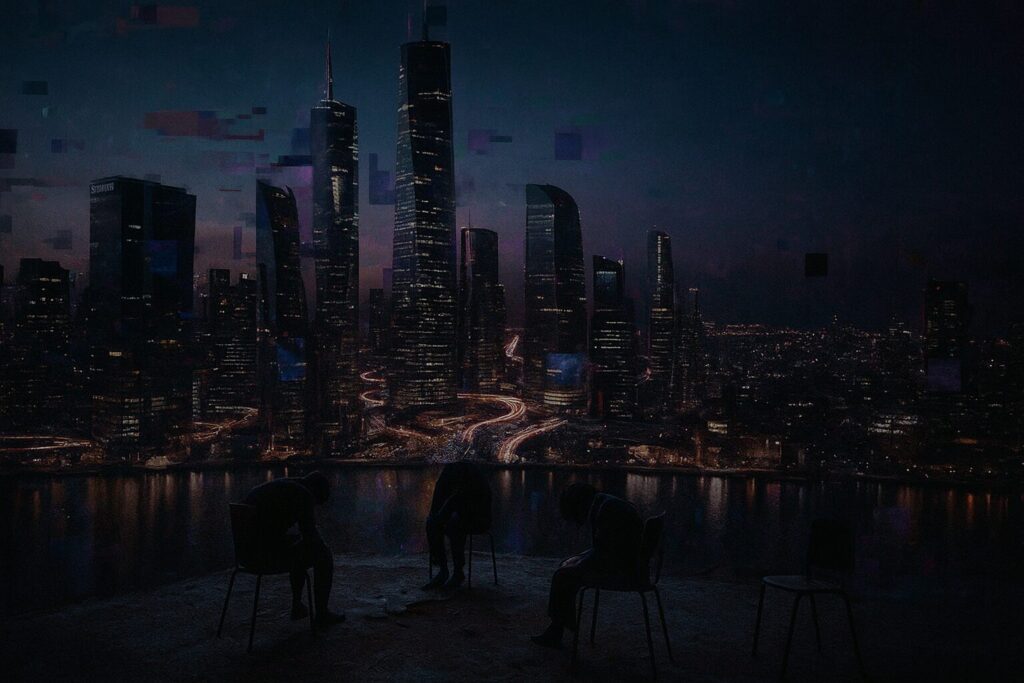
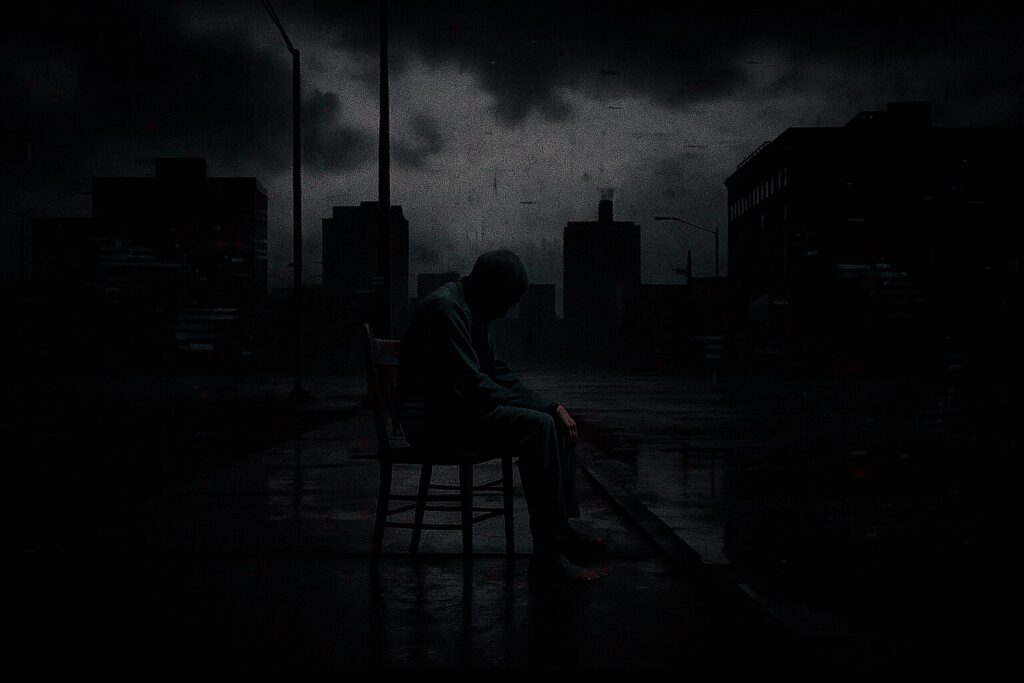
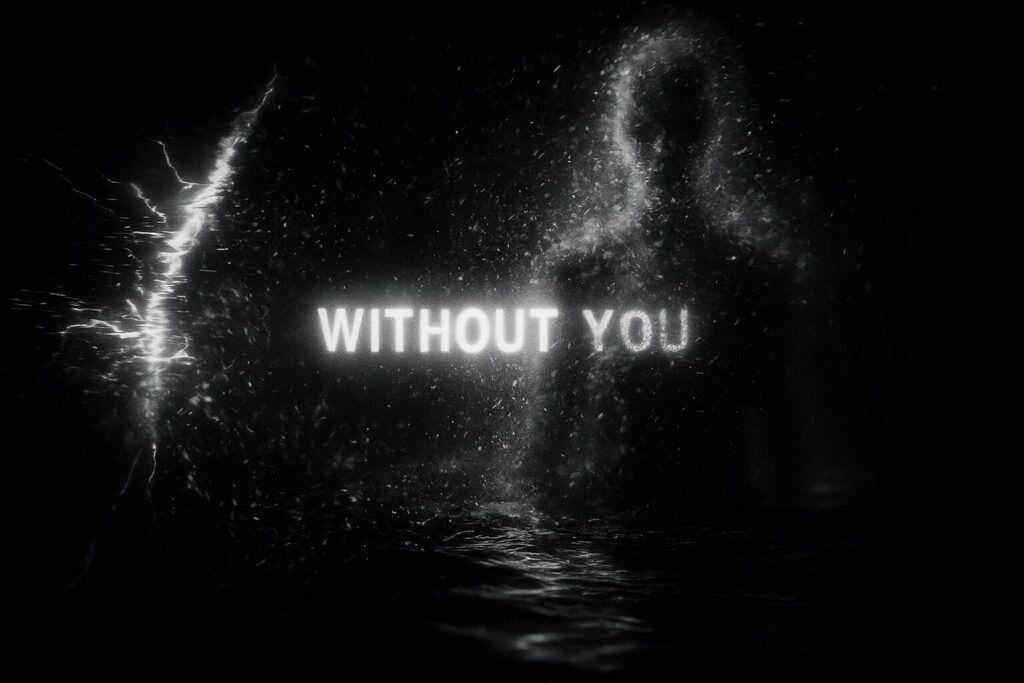
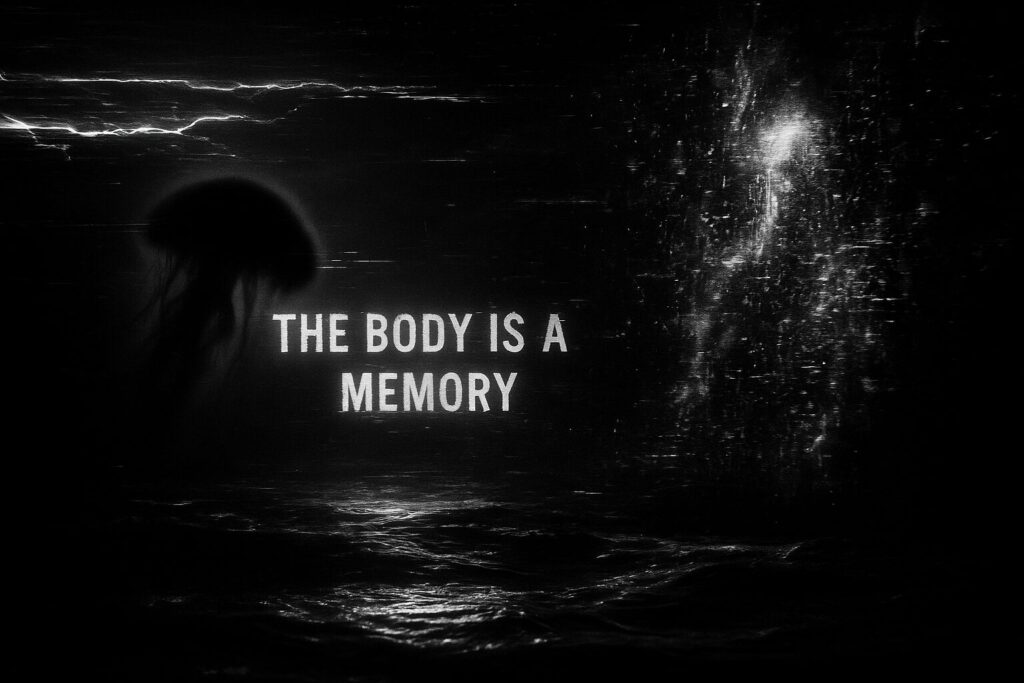
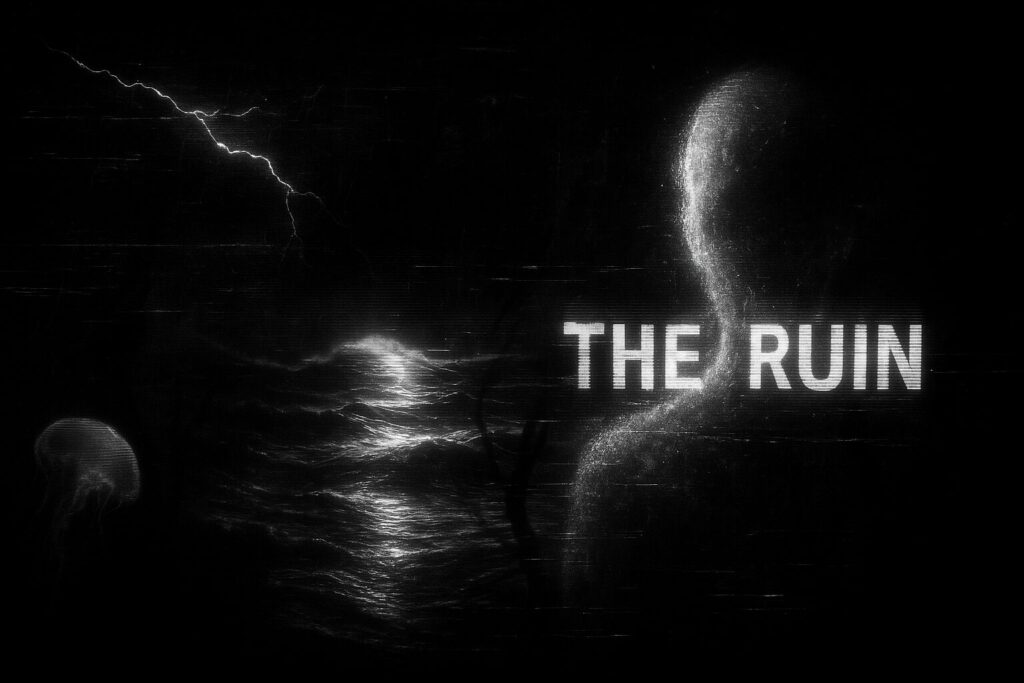
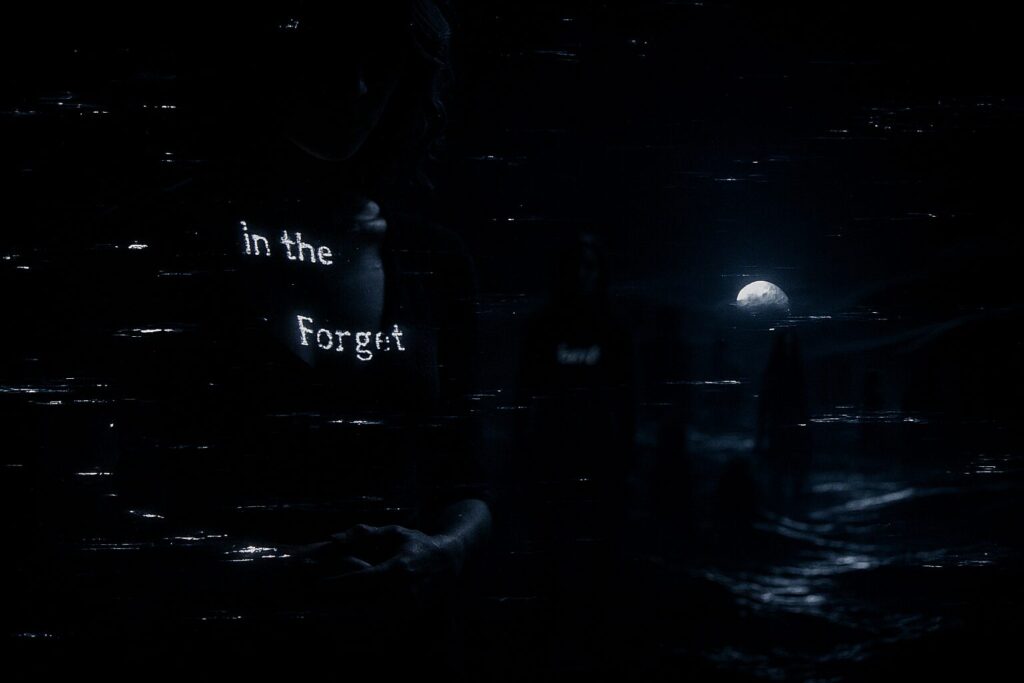
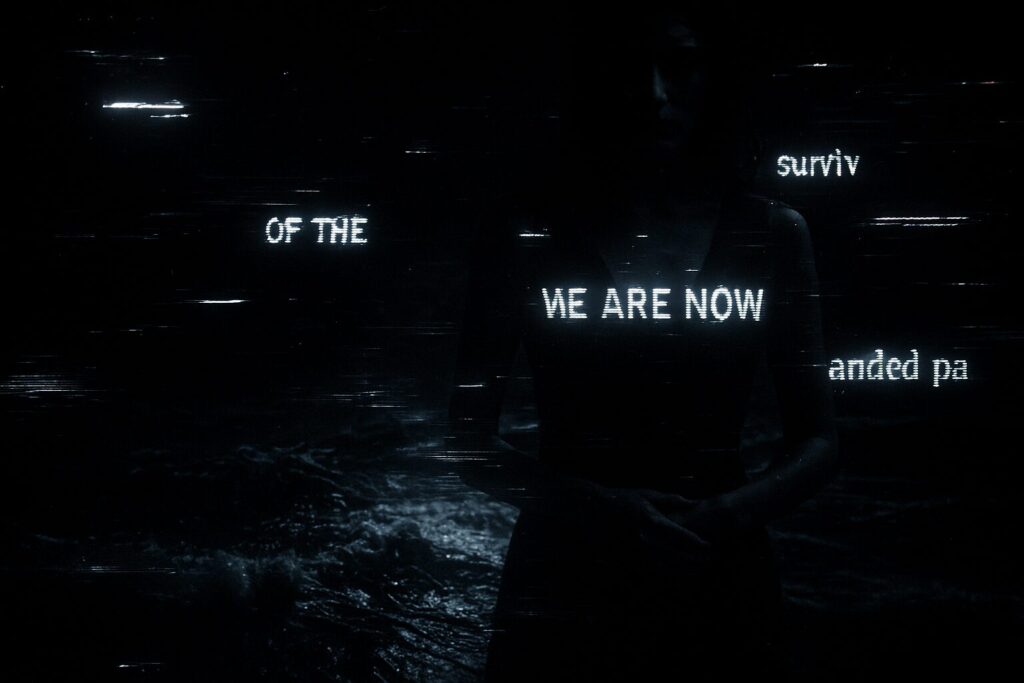
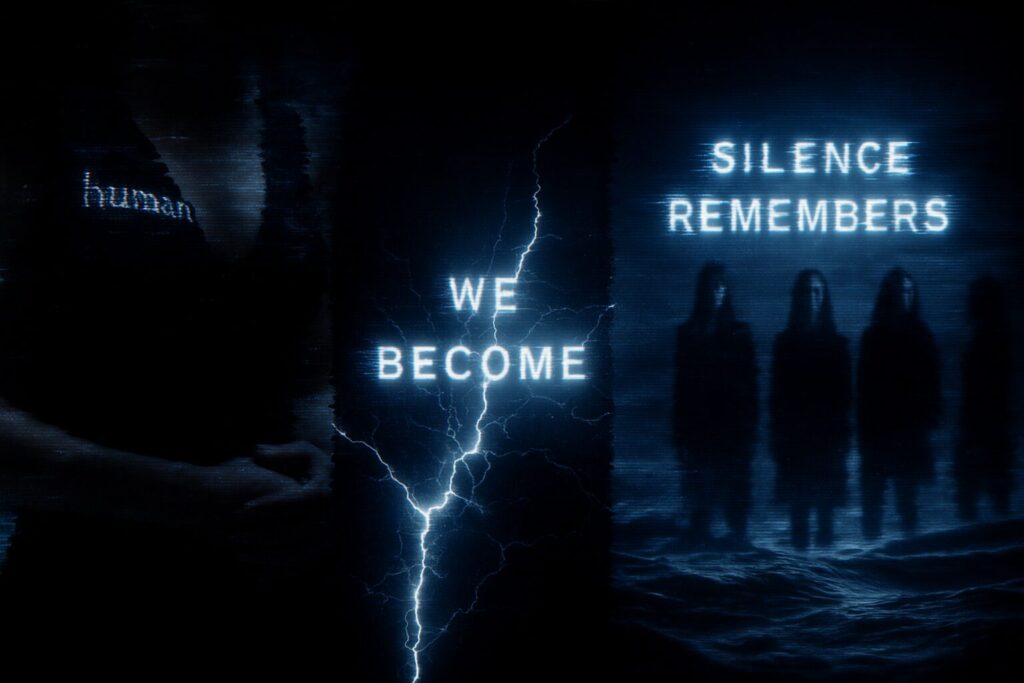
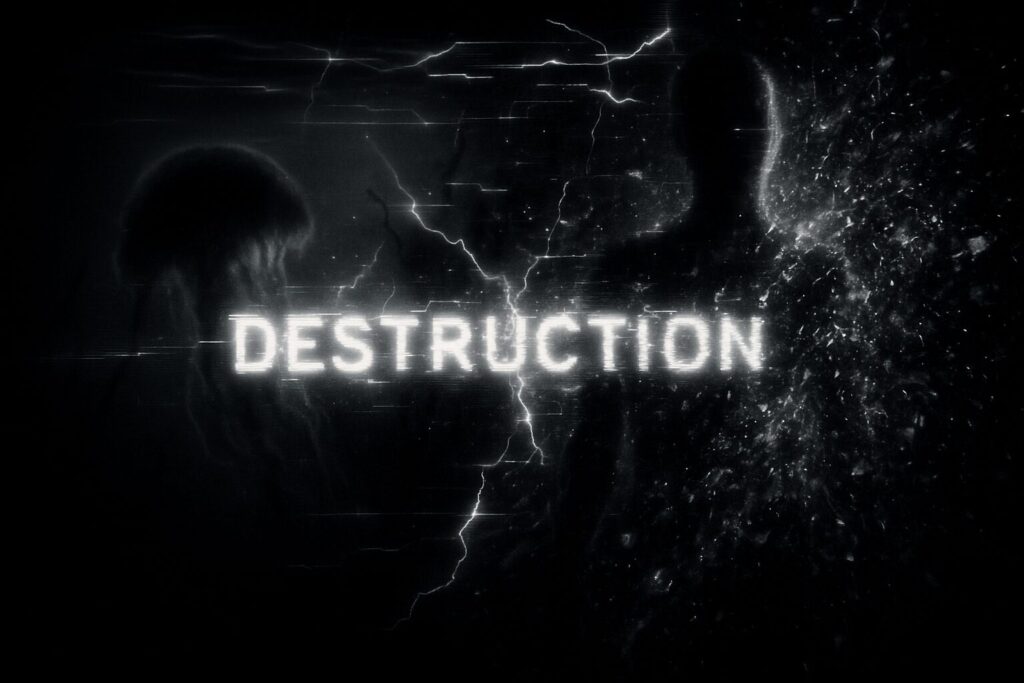
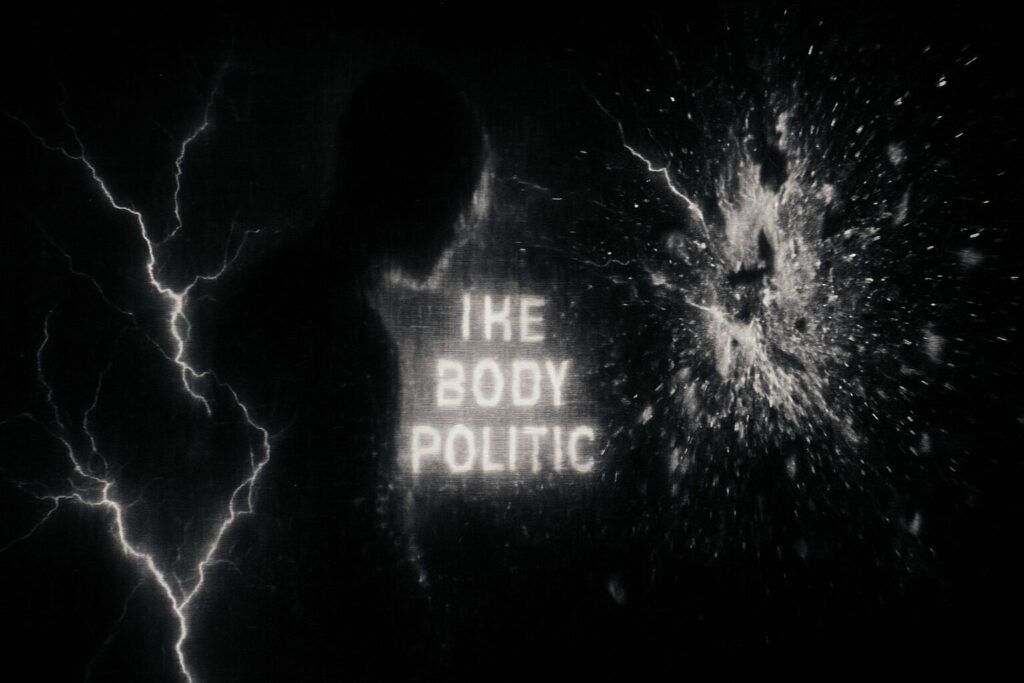
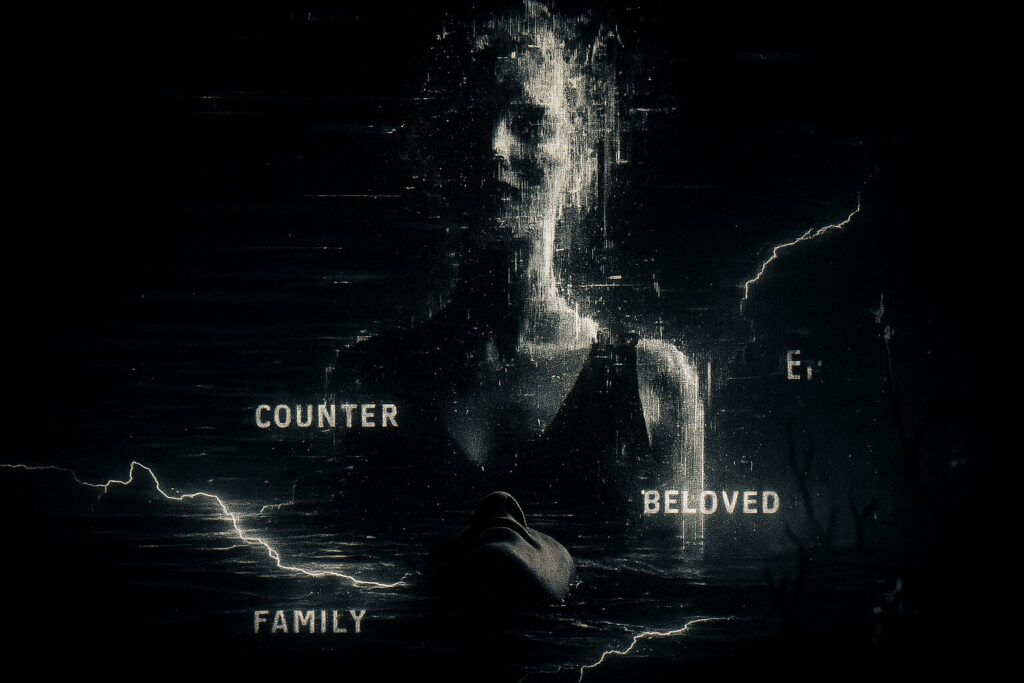
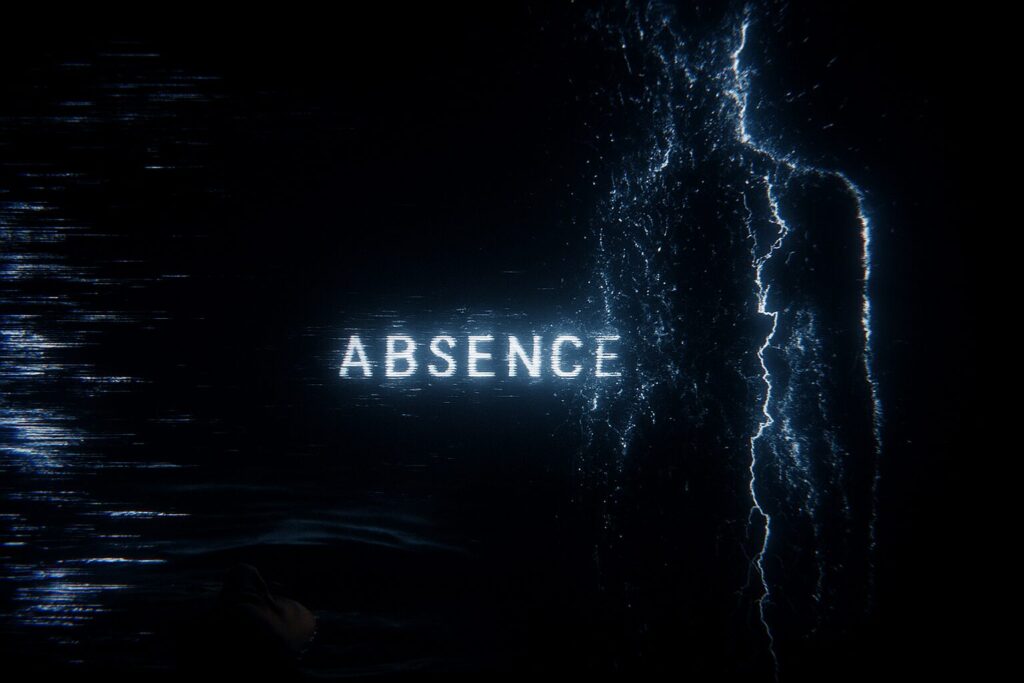
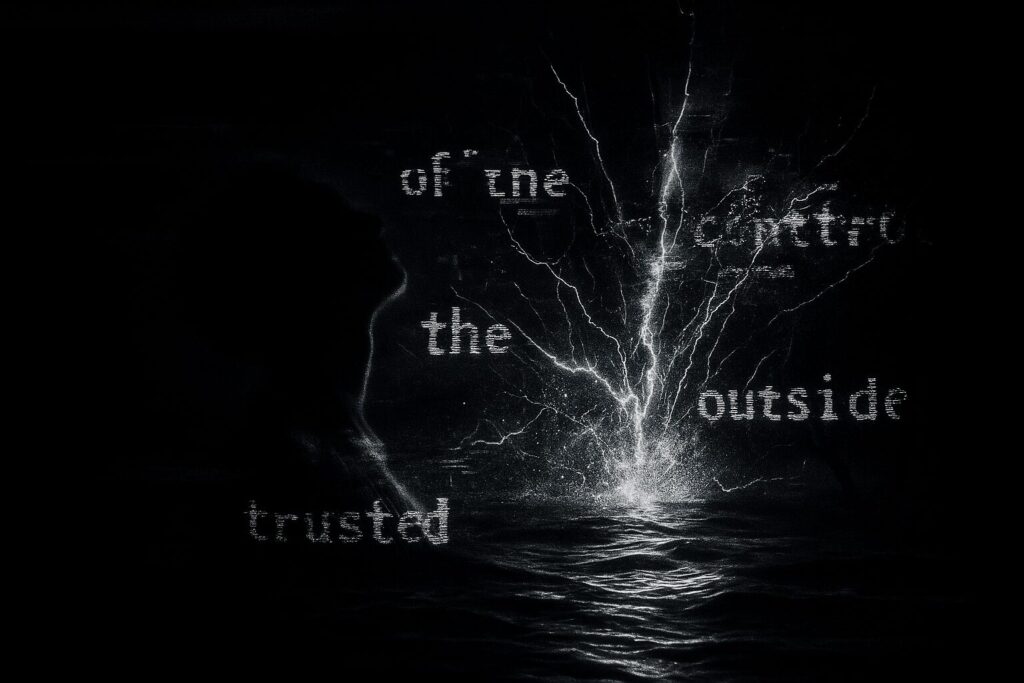
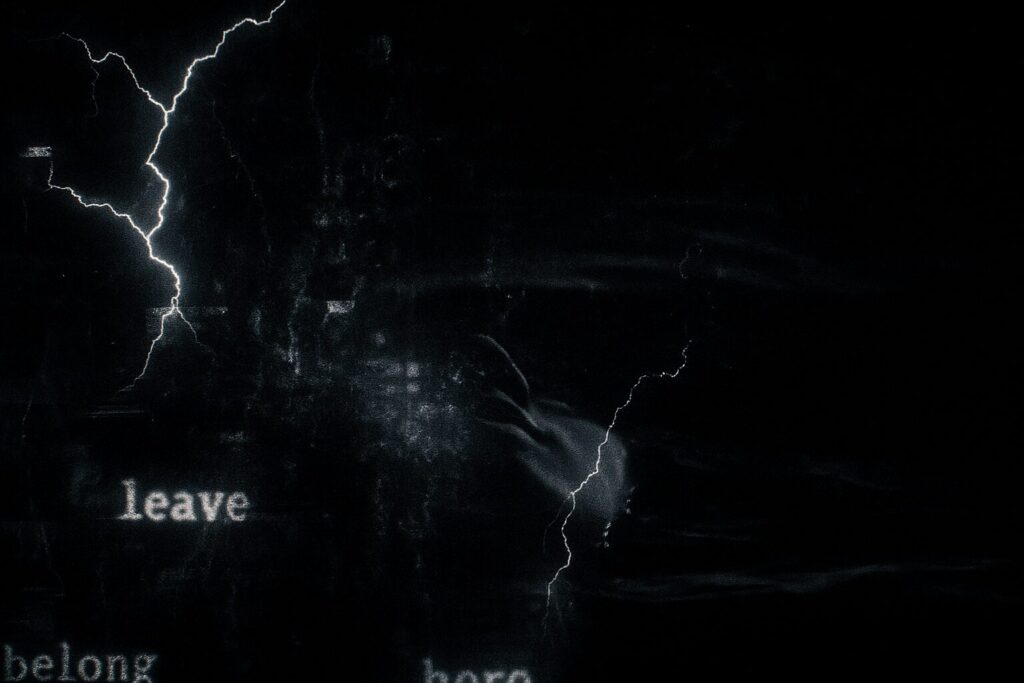
2025. FEBO, ColectiBot. Images 1536 x 1024 .png. Videos 00:40 720p 24FPS / .mp4.
Phase 2
The Unraveling
The structures once regarded as stable throughout the 20th century now falter and disintegrate. This cultural, social, and political phenomenon reveals previously unfamiliar forms of expression, landscapes, and identities. Urban and national configurations emerge from the tension between totalitarian regimes and libertarian movements. Hybrid bodies combine biological and electronic elements. Fiction generates identities outside established categories of power. Boundaries with the extraterrestrial become porous, while aesthetics increasingly incorporate non-human species. Yet these configurations are themselves subject to rapid or even immediate disintegration. Like Pedro Páramo, the figure of the modern subject collapses as it strikes the ground, leaving behind only fragments.
Artificial intelligence has emerged in parallel with the decentralization of digital interfaces, the fragmentary logics of social media, the strategies of disinformation, the proliferation of transmedia narratives, and a culture of innovation—all of which undermine the modern contract with tradition and collective memory. Its structure is comparable to a landslide: monumental forms collapsing and revealing the fragility of their prior solidity. Beyond natural processes, which are themselves based on perpetual transformation, we now witness across civilizations the collapse of categories such as gender, national borders, and large-scale social organizations. This produces a profound disorientation, particularly in generations accustomed to fixed points of reference: to coherent and unified texts rather than fragments, to the presumed fidelity of words and images, and to the rational planning of the future.
Such disintegration creates the conditions for unforeseen poetics to emerge, for worlds once unthinkable to appear, and for relations previously deemed impossible to unfold. Antonin Artaud, in a letter to Jacques Rivière, described how the apparent dispersion and formal ruptures in his work stemmed from a “central collapse of the soul,” an erosion of thought both essential and transient.
KEY WORDS: Landscapes, Identities, Hybrid Bodies, collapse, Artificial Intelligence, Transmedia Narratives, Poetics.
Works
Task-test / Looking up
Artist: Athenea Cuotto Abad
2025
@cuotto.works
Looking up | miro para arriba is my visual and sound response to the condition of collapse in all its layers: historical, social, and personal. For me, this dissolution is crucially reflected in the breakdown of interpersonal relationships and in how crises reduce our individual capacity for response. The image you see is not a direct capture of reality. It is a re-recording of what occurs inside a mobile phone screen. For me, this technique is a statement: everything we look at is inevitably mediated and, therefore, flawed.
Collapsed Version
Looking Up
In Looking Up (Posthuman Meditation), FEBO reinterprets the work of Athenea Cuotto Abad as an inner and mediated collapse. The act of looking upward —a gesture of hope, faith, or exhaustion— unfolds within a screen that no longer reflects the world but its infinite distortion. Light fragments and digital noise replace the sky; the face multiplies and dissolves into layers of pixels, notifications, and fractured silences. Inspired by Rafael Cadenas’ poem, the video becomes an electronic introspection: “I witness collapses,” says a voice that is no longer human but that of a machine bearing the weight of saturation. Looking Up is a breathing exercise within the noise—an audiovisual meditation on the impossibility of seeing without mediation in an age of disintegration.
Rafael Cadenas Poemas del libro Una Isla (1958)
La destrucción me Sitia. Me estanco, en litigio. La claridad se vuelve inútil. Llegué y no llegué. No ando, me desando, en pedazos. Digo estoy y no siento lo que digo. Voy de cerco en cerco. Atestiguo derrumbes. Busco lo que solo no puede encontrarse, y se hace tarde.
Rafael Cadenas, “La destrucción me Sitia,” en Obra entera: Poesía y prosa (1958-1995), (México: Fondo de Cultura Económica, 2000), 58.
CONNECTION
(VIDEO FROM THE SOLO EXHIBITION).
ARTIST: NAN GONZÁLEZ
(CREATIVE VIDEOS, MUSEUM OF CONTEMPORARY ART
DIRECTOR: LUIS ÁNGEL DUQUE)
2002
@nangonzalez_art
Collapsed Version
Echoes of the Double
In Echoes of the Double, FEBO reinterprets Nan González’s video Connection as a spectral landscape where body and reflection dissolve into the same digital plane. The piece transforms Bioy Casares’s existential question —who is watching whom in a world inhabited by projections?— into a visual meditation on fragmented identity. Transparent figures pass through luminous walls, projected onto surfaces that return not the reflection but its distorted echo. The camera drifts among desynchronized presences, infinite repetitions, and the glitch texture of memory, where the subject confronts their own electronic ghost. In this island of data and light, the “I” multiplies until it disappears—a body that sees itself, denies itself, and rewrites itself within the instability of the image.
Adolfo Bioy Casares. La invención de Morel
“La creencia de que al formarse la imagen de una persona el alma pasa a la imagen y la persona muere. Significa que Faustine ha muerto; que no hay más Faustine que esta imagen, para la que no existo. Entré en ese mundo; ya no puede suprimirse la imagen de Faustine sin que la mía desaparezca. […] ¡Que yo estuviera muerto! Cuánto me entusiasmó esta ocurrencia (vanidosamente, literariamente). No estuve muerto hasta que aparecieron los intrusos; en la soledad es imposible estar muerto.”
Adolfo Bioy Casares, La invención de Morel, (Buenos Aires: Emecé Editores, 1940), 95.
Game Over? Poetics of an Unnoticed Becoming
Artist: Lili(ana)
2025
@lilianastudiolab
As we watch, something becomes extinct beyond our awareness. Forests vanish in a process we have normalized, reduced to background noise. When did we stop seeing? Is the transmission failing beyond repair?… The static is no longer interference—it is the sound of systems collapsing in real time, silently, unnoticed.
Collapsed Version
Unnoticed Extinctions
In Unnoticed Extinctions, FEBO reinterprets Lili(ana)’s Game Over? Poetics of an Unnoticed Becoming as a digital elegy for a world vanishing beyond perception. Forests flicker between pixels and static, their disappearance camouflaged within the machinery of everyday transmission. The screen becomes both witness and accomplice: a vast field of noise where extinction plays in real time, silently, unnoticed. Inspired by Octavio Paz’s Primer Día, the video captures a state of suspended movement—light frozen in vertigo, life caught between ash and flame. The natural world is rendered through artificial breath: tree silhouettes pulse like heart monitors, the static hum mimicking wind through absent leaves. Each frame oscillates between the organic and the synthetic, between the glow of the screen and the darkness it conceals. The aesthetic merges cybernetic ruin and poetic stillness, portraying a planet that continues to vanish, not with an explosion but with a whisper. Unnoticed Extinctions is a meditation on what escapes awareness—a requiem for the moment when light, earth, and water collapse into data and return as silence.
Primer Día. Octavio Paz
“Inmóvil en la luz, pero danzante,
tu movimiento a la quietud que cría
en la cima del vértigo se alía
deteniendo, no al vuelo, sí al instante.
Luz que no se derrama, ya diamante,
fija en la rotación del mediodía,
sol que no se consume ni se enfría
de cenizas y llama equidistante.
Tu salto es un segundo congelado
que ni apresura el tiempo ni lo mata:
preso en su movimiento ensimismado
tu cuerpo de sí mismo se desata
y cae y se dispersa tu blancura
y vuelves a ser agua y tierra obscura”.
Octavio Paz, “Primer Día,” en Libertad bajo palabra: Obra poética (1935-1957), (México: Fondo de Cultura Económica, 1960), 105.
The Oxygen Dissolved in the Image of the Sea
Artist: Salomé Rojas
2024
@maldita.milenial
While editing what would be transmitted, Salomé focused her attention on the histograms of the material she was using. Observing the graphic representation of these frequencies, she performed a breathing exercise in which her intervals reproduced the rhythm of the sea.
Collapsed Version
The Breathing of the Sea
In The Breathing of the Sea, FEBO reimagines Salomé Rojas’s exploration of rhythm, water, and image as a digital meditation on time, dissolution, and perception. The video transforms Borges’ reflection on the river made of “time and water” into a visual breathing exercise, where histograms, frequencies, and tides merge into one continuous current. Each frame becomes both pulse and wave: data inhaling and exhaling through shifting hues of turquoise, gray, and electric blue. The human presence fades, replaced by the respiration of the machine—an ocean of light measured in beats per minute. Glitches ripple like oxygen bubbles rising toward the surface, while the soundscape alternates between deep aquatic drones and faint digital sighs. The Breathing of the Sea is not about the sea itself but about its memory—about the moment when technology, poetry, and breath converge to remind us that we too are rivers dissolving in time.
Jorge Luis Borges. Arte poética
“Mirar el río hecho de tiempo y agua
y recordar que el tiempo es otro río,
saber que nos perdemos como el río
y que los rostros pasan como el agua”.
Jorge Luis Borges, “Arte poética,” en Obra poética, (Buenos Aires: Emecé Editores, 2000), 35.
Captions
Artist: Patricia Van Dalen
2020
https://patriciavandalen.com/es/
Captions (2020) is a short video that establishes a dialogue between two fictional forms of nature. One is real: a field of grass glimpsed fleetingly in various television series that inspired the Grasses collages, whose detail here functions as a background. The other is figurative and symbolic: the mental landscape evoked by reading the subtitles of the images I captured from those televised scenes.
Each subtitle in the video is different, yet all describe something pleasant associated with nature: sounds such as [birds chirping], [sweet pastoral music], or [chorus of buzzing insects]. These are generic indications, used in thousands of programs to suggest calm, domestic peace, or an idealized vision of the natural world. Their repetition reveals how media and subtitling conventions standardize the experience of “nature,” reducing it to predictable signs.
By collecting and recomposing these subtitled frames, Captions reflects on how nature is represented, subtitled, and mentally reconstructed—on how these familiar textual cues can evoke a sense of serenity detached from any real environment.
Collapsed Version
Subtitled Flood
In Subtitled Flood, FEBO transforms Patricia Van Dalen’s Captions into a hypnotic erosion of meaning, where nature’s artificial calm collapses beneath a digital deluge. The familiar captions of tranquility—“[birds chirping], [soft pastoral music], [insects buzzing]”—begin to overflow the screen, their repetition turning serenity into saturation. What once evoked harmony now drowns the image in language, a textual storm that erases the very landscape it sought to describe. Inspired by Rómulo Gallegos’ vision in Canaima, the video reimagines subtitles as torrents, the typographic flood reclaiming the screen like the jungle reclaiming the land. The color palette mutates from idyllic greens to deep ochres and electric blacks, while glitch distortions pulse like waves of information devouring the frame. Sound collapses from pastoral sweetness into an overwhelming roar—a river of data consuming its own reflection. Subtitled Flood is both elegy and warning: a poetic landslide where mediation overwhelms experience, and nature survives only as code dissolving into light.
Canaima. Rómulo Gallegos
“El río crecía implacable, engullendo las márgenes y arrastrando consigo los restos de las viejas viviendas. La selva parecía reclamar lo que la codicia humana había intentado someter, y ante la furia del agua, toda la esperanza de los hombres se desvanecía como castillos de arena que el mar se lleva sin dejar huellas. En ese desastre inevitable, Canaima mostraba su rostro salvaje y eterno, recordándole al hombre que aquí sólo sobrevivirían los que aceptaran su ley”.
Rómulo Gallegos, Canaima, (Caracas: Monte Ávila Editores, 1985), 150.
Back to the Blue
Artist: Freisy González
2021
@freisygonzalez
Part of my ongoing project Back to the Blue. Migration and return constitute a mirror —a cycle in which everything and nothing change. No one prepares us for the return, that complex reverse migration; a reflection full of dark blinks. To return is to trace the route back to the blue, that inner space where we decide to remain.
Collapsed Version
The Return to Blue
In The Return to Blue, FEBO reinterprets Freisy González’s meditation on migration and return as a cyclical journey through memory and water. The act of returning becomes an immersion—an inward voyage toward the blue, that inner sea where belonging and loss intertwine. Inspired by Gabriel García Márquez’s mythic ending in One Hundred Years of Solitude, the video transforms the idea of destiny and inheritance into a visual ocean of recursion: a family line dissolving into currents of light and shadow. Figures drift through translucent waves that shimmer between nostalgia and oblivion; vertebrae necklaces and umbilical threads float weightless in a sea of fragmented reflections. The soundscape breathes like the tide—slow, sorrowful, rhythmic—merging heartbeat and undertow. Each pulse erases and redraws the horizon, echoing the impossibility of return. In this oceanic loop, the blue becomes both origin and exile, a mirror where the human story of solitude collapses into the endless migration of light.
Cien años de soledad. Gabriel Garcia Márquez
“La feliz pareja estaba esperando un hijo. Aureliano empezó a rastrear su origen pero no encontró a nadie que lo ayudara. Amaranta Úrsula hacía collares de vértebras de pescados, pero nunca encontró quien se los comprara. El niño nació y lo llamaron Rodrigo. Después de cortarle el ombligo, la comadrona se puso a limpiarlo ayudada por Aureliano. Cuando lo voltearon boca abajo descubrieron que el niño tenía cola de cerdo. La comadrona les dijo que podrían cortársela cuando el niño mudara los dientes, Amaranta Úrsula y Aureliano se quedaron tranquilos. Amaranta Úrsula estaba perdiendo mucha sangre y después de varios días se murió. Absorto en su dolor, Aureliano se olvidó de su hijo hasta que Nigromanta acudió para ayudarlo. Aureliano tuvo la revelación de encontrar en los pergaminos la historia de sus vidas y el trazo de su destino. Aureliano descubrió que su familia había estado condenada a cien años de soledad”.
Gabriel García Márquez, Cien años de soledad, (Buenos Aires: Editorial Sudamericana, 1967), 400.
11,900 +Diana
Artist: Diana López
2025
https://www.dianalopez.art/about
11,900+ Dianas / VIA LUCIS find their voice at @eglise.art within the walls of this church in Palermo, where past and present converge to challenge us with a question about the future. The path of light manifests itself as a passage between identity and multiplicity, between memory and permanence. If the Via Crucis confronts us with the weight of suffering, the Via Lucis opens the possibility of expansion, continuity, and an existence that multiplies and resists oblivion.
Collapsed Version
Hands of Light
In Hands of Light, FEBO reinterprets Diana López’s 11,900 +Diana as a spectral dialogue between flesh and illumination, identity and echo. The video unfolds inside a crumbling church rendered as a data cathedral—its walls breathing with residual light, its surfaces alive with digital relics. Thousands of hands emerge from the shadows, pressing against the ancient stone as if seeking memory through touch. Each fingertip glows faintly, translating Guillermo Meneses’s image of the hand on the wall into an electronic resurrection: human contact transformed into radiant code. The gestures alternate between affirmation and farewell, forming a silent Morse of existence—“here, here”, “goodbye, goodbye”. The architecture trembles under cascades of golden glitches and refracted halos, turning faith into signal, and permanence into vibration. The soundscape blends sacred hums with granular interference, creating a slow, meditative rhythm that feels both prayer and collapse. In this luminous ruin, multiplicity becomes survival; every hand, every flicker of light, resists oblivion by dissolving into the pulse of the digital divine.
La mano junto al muro. Guillermo Meneses
“La mano de la mujer se apoyaba en la vieja pared; su mano de uñas pintadas descansaba sobre la piedra carcomida: una mano pequeña, ancha, vulgar, en contacto con el frío muro robusto, enorme, viejo de siglos, fabricado en épocas antiguas para que resistiese el roce del tiempo y, sin embargo, ya destrozado, roto en su vejez. … Los dedos extendidos sobre las rugosidades de la piedra, sintieron la fría dureza de la pared. Las uñas tamborilearon en movimiento que decía ‘aquí, aquí’. O, tal vez, ‘adiós, adiós, adiós’.”
Guillermo Meneses, “La mano junto al muro,” en El falso cuaderno de Narciso (Caracas: Monte Ávila Editores, 1952), 50.
2025. FEBO, ColectiBot. Videos 00:30 704px1280p 30FPS / .mp4.